
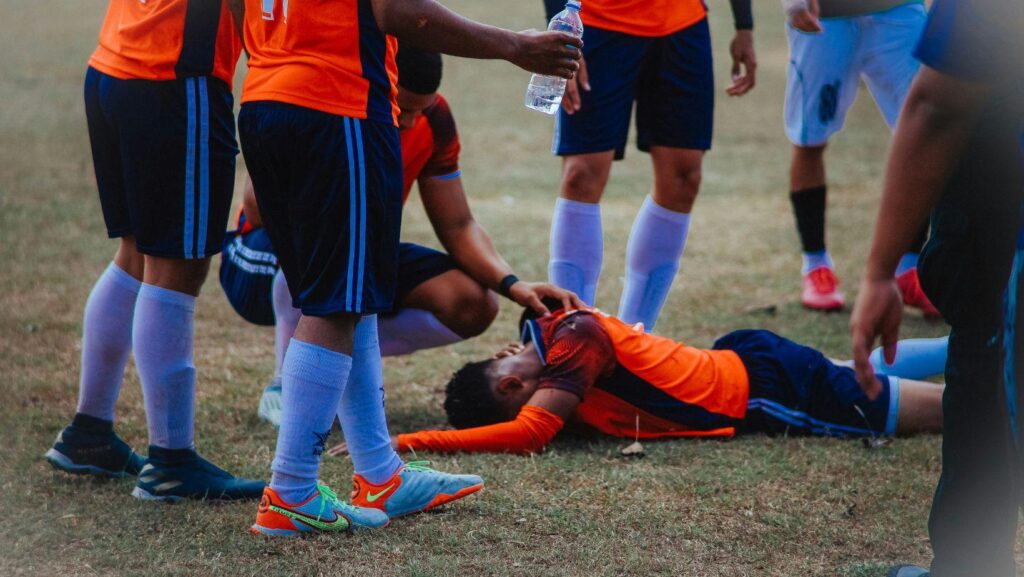
Sports injuries are common among athletes and active people. The National Safety Council reports that the number of sports and recreational injuries in the US jumped by 20% from 2020 to 2021. The trend continued with a 12% increase in 2022, a modest 2% rise in 2023, and a striking 17% increase in 2024. In 2024 alone, emergency departments treated approximately 4.4 million people related to sports injuries.
Recovering from a sports injury can be frustrating because you want to stay active while also giving your body the time it needs to heal. It might feel like taking a break could put a damper on your progress, but don’t underestimate the value of consistent training during recovery. When approached safely and with the right tweaks, it can make a big difference.
Your progress depends on finding the right balance between effort, recovery, and expert guidance. It helps you rebuild strength, reduce the risk of reinjury, and regain confidence with every step forward. This article explores strategies to train safely while you’re recovering from a sports injury.
Set Realistic Goals
A SELF article states that when done correctly, goal-setting can be a game-changer in your fitness journey. It helps you organize your workouts, stay focused, track your progress, and gives you that extra push to keep going. Striking the right balance in this process is essential for achieving success.
When it comes to setting a fitness goal, “one of the biggest mistakes is that people try to do too much at one time,” says Kellen Scantlebury, DPT. However, the reality is that setting realistic goals is one of the smartest ways to train safely while recovering from a sports injury. You must tailor your workouts to fit your current fitness level and where you are in your recovery journey.
As your body becomes stronger, increase the intensity of your workouts gradually rather than making sudden jumps in duration or difficulty. This steady approach gives your muscles, joints, and connective tissues enough time to adapt while reducing the risk of reinjury. Flexible goals help you stay consistent while supporting a safer and more effective return to your sport.
Seek Professional Help for Pain Management
An important part of recovering safely from a sports injury is managing pain properly. If your discomfort continues or limits your ability to move, seek advice from a qualified healthcare professional. A physician, physical therapist, or sports medicine specialist can identify the cause of your pain and recommend treatments that support healing.
Professional guidance also helps you avoid exercises or movements that could worsen the injury or delay your recovery. Advanced healthcare professionals, including nurse practitioners, play an important role in pain management, recovery, and long-term athletic health. Many registered nurses develop advanced clinical knowledge by completing an MSN bridge program.
According to Spring Arbor University, the online MSN programs are designed with flexibility in mind. Nurses can maintain their full-time jobs while pursuing their online education. They can recommend pain management strategies, monitor your progress, and adjust your exercise routine as your condition improves. Addressing pain early with professional support helps build confidence in your recovery and prepares you for a safer return to regular training and competition.
Fuel Your Body for Better Performance
Nourishing your body with the right foods plays a crucial role in bouncing back from a sports injury. According to the American Heart Association, good nutrition improves your performance and speeds up recovery from sports. You don’t have to follow a strict timetable, and there aren’t any unbreakable rules. Still, there are a few important things to consider before, during, and after your exercise sessions.
Eating balanced meals that include lean protein, whole grains, healthy fats, fruits, and vegetables provides the nutrients to repair tissues and rebuild strength. Match your food intake to your training demands, ensuring you eat enough to support both recovery and physical activity. A well-balanced diet also helps reduce fatigue and prepares your body to handle exercise more effectively as you gradually return to training.
Timing your nutrition around workouts can also improve your recovery and performance. A quick, light meal before exercising can fuel your workout, and following it up with some protein and carbs is key for helping your muscles recover. Staying hydrated is equally important because proper fluid intake reduces the risk of muscle cramps. This creates a strong foundation for safe training, faster recovery, and long-term athletic success.
Build Sustainable Habits for Long-Term Success
Building sustainable habits is one of the best ways to train safely while recovering from a sports injury. Psychology Today notes that small, consistent actions tend to stick around as habits. Take a five-minute walk or do a quick lift, for instance. These are manageable, easy to repeat, and build on themselves. Every time you take that step, you strengthen the identity of someone who stays active.
These actions allow enough time for recovery and can make a significant difference over time. Recovery is rarely a straight path, so being patient with yourself and maintaining realistic expectations will help you stay motivated even when progress feels slow. Consistency creates a stronger foundation than pushing your body beyond its limits in search of immediate improvements.
As your body heals and your fitness level changes, adapt your training plan to match your current needs and long-term goals. You must prioritize lifelong fitness and not short-term performance by developing habits that encourage overall well-being. This balanced approach helps you recover safely and enjoy your favorite sports with greater confidence for years to come.
FAQs
How do I know if I need professional help with my training?
If you experience persistent pain, repeated injuries, or stalled progress despite consistent training, it is time to seek professional guidance. A qualified fitness coach or healthcare provider can assess your condition. They can identify underlying issues and create a personalized plan that supports safe recovery. It improves performance and helps prevent future injuries.
Can I improve fitness without training at maximum intensity?
Yes, you can improve fitness without training at maximum intensity. Progressive training, proper recovery, and consistency are often more effective for long-term results than constantly pushing yourself to your limits. This helps you build strength, reduce injury risk, and achieve lasting performance improvements over time.
What role do healthcare professionals play in athletic performance?
Healthcare professionals play an important role in athletic performance by identifying health concerns, guiding injury recovery, and supporting effective training decisions. They help you understand your body, prevent future injuries, and return to your sport safely. Their expertise allows you to perform better while protecting your long-term health.
Key Takeaways
|
Sports Injury Statistics (U.S.) |
Data |
|
Sports & recreation injuries treated in EDs (2024) |
Approximately 4.4 million |
|
Increase in sports injuries (2020–2021) |
20% |
|
Increase in sports injuries (2022) |
12% |
|
Increase in sports injuries (2023) |
2% |
|
Increase in sports injuries (2024) |
17% |
|
Key to safe recovery |
Gradual training, proper recovery, professional guidance, and balanced nutrition |
Recovering from a sports injury is a journey that requires patience, awareness, and a positive mindset. The way you approach this phase can shape your future performance and overall relationship with fitness.
Staying committed, making thoughtful choices, and respecting your body’s needs enables you to move forward with confidence. Remember that progress is not only about getting back quickly. It is about returning stronger, smarter, and better prepared for the activities you enjoy.