
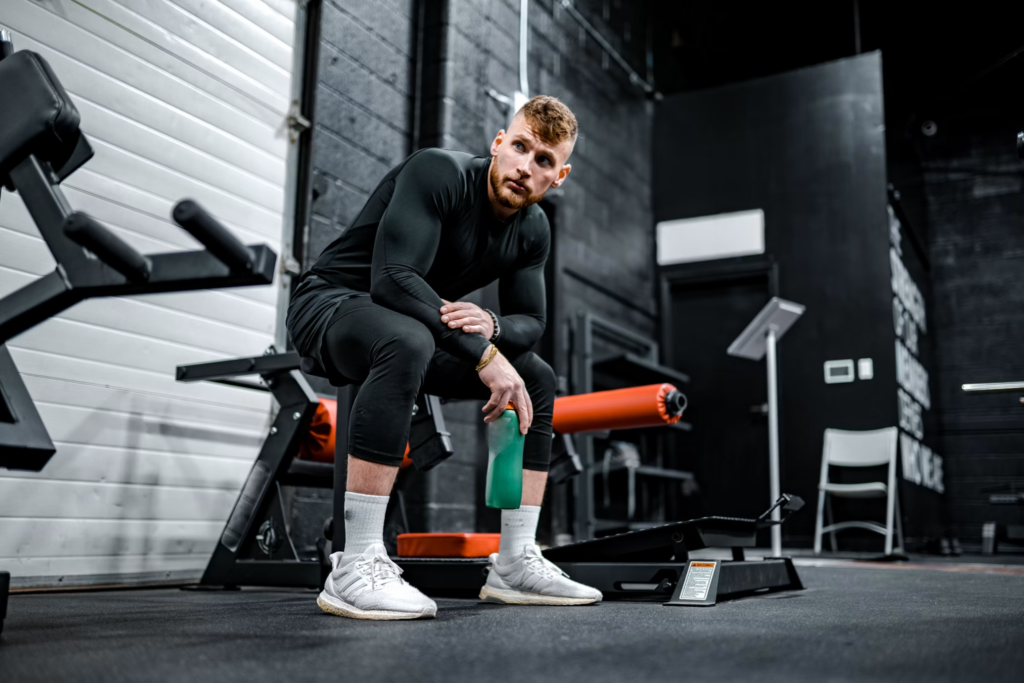
Muscle soreness after physical activity is something people encounter when trying new exercises or increasing intensity. Delayed onset muscle soreness (DOMS) appears within 24 to 48 hours and goes away within a few days.
Stronger by Science shares research highlighting that severe DOMS can lower force capacity by as much as 50%. That means it can hinder your next workout, interfere with recovery, and even affect muscle growth in the long term.
Rest may help, but when soreness lingers despite taking a break, it may signal deeper issues such as overuse, improper recovery, or even injury. Understanding the difference between normal soreness and persistent discomfort is essential to maintain long-term fitness and prevent setbacks.
In this article, we will suggest ways to support your body more intelligently and return to activity safely and sustainably.
Assess Whether You Need More Than Just Rest
Not all soreness is the same, and you must be able to distinguish between typical post-workout discomfort and something more concerning. DOMS is generally mild to moderate, feels like stiffness or tenderness, and improves gradually with time and light movement. On the other hand, persistent soreness may feel more intense, localized, or prolonged.
Overtraining is a common cause, especially when you push your body beyond its recovery capacity without adequate rest. Poor hydration and insufficient nutrition can also delay muscle repair, while lack of quality sleep disrupts recovery processes.
Additionally, muscle imbalances or incorrect exercise techniques can place uneven stress on certain areas. A personal trainer can help you understand what you are doing wrong. Similarly, previous injuries or underlying inflammation may make soreness last longer than expected. Medical guidance is required in this situation.
You may get it from a nurse because these professionals are more accessible compared to doctors. Options like the online accelerated nursing degree program have been helpful in addressing the nursing shortage in the US. This course is available to people from non-nursing backgrounds and can be completed in an accelerated mode.
According to Rockhurst University, the program also supports students with clinical placements and licensure exam prep. Nurses can help athletes recognize the contributing factors for soreness. This enables them to shift the focus from simply resting to actively addressing the root cause of the issue.
Consider Active Recovery Strategies
Contrary to common belief, complete inactivity is not always the best solution for persistent soreness. A Cleveland Clinic feature highlights how active recovery can help you overcome soreness and regain strength.
“The goal of active recovery is to build on where you’ve been before,” explains Dr. Lauren Wichman, a sports medicine specialist. She notes that implementing active recovery can support you to continue to grow, no matter what level of physical fitness you’re at.
Active recovery can include low-intensity activities that keep the body moving without adding strain. Light stretching and mobility exercises help maintain flexibility and reduce tightness.
Activities such as walking, swimming, or cycling at a relaxed pace encourage circulation, delivering oxygen and nutrients to recovering muscles. Foam rolling and gentle massage can further ease tension and improve tissue mobility. These approaches support recovery without overloading the muscles.
Support Muscle Repair Through Nutrition and Hydration
Recovery is not just about physical activity. Rather, it is also deeply influenced by what you consume. Proper nutrition provides the building blocks your body needs to repair and strengthen muscles. According to Healthline, post-workout protein provides the amino acids needed to mend the damage to muscle fibers. You can opt for a high-protein meal or supplement after exercise to curb soreness.
Carbohydrates are equally important, as they replenish glycogen stores that fuel your muscles. Without sufficient energy reserves, recovery can slow down significantly. Hydration is also important. Electrolytes, particularly sodium and potassium, help regulate fluid balance and nerve signaling.
Incorporating anti-inflammatory foods can further support recovery by reducing internal stress. A balanced approach to nutrition ensures that your body has everything it needs to heal efficiently and perform at its best.
Improve Recovery Habits to Prevent Future Soreness
Preventing persistent soreness requires a long-term approach that prioritizes sustainable habits. Sudden spikes in activity are a common cause of excessive soreness and injury. Gradually increasing workout intensity allows the body to adapt without becoming overwhelmed.
The Conversation addresses the doubts regarding exercising when you feel sore. While some soreness is normal and you can push through it, going back to your workout routine is not always recommended. For example, if you have muscle damage, it may affect your balance and increase the risk of falling or injury.
Scheduling regular rest should be a part of your recovery habits. These periods give muscles time to repair and grow stronger. Quality sleep is another critical factor, as most muscle recovery processes occur during deep sleep cycles. Warming up before exercise prepares the muscles for activity, while cooling down afterward helps reduce stiffness and promote relaxation.
Track workouts and monitor fatigue levels to get valuable insights that help you identify patterns and adjust your routine accordingly. By building consistent recovery habits, you can reduce the likelihood of prolonged soreness and maintain a healthier, more balanced approach to fitness.
FAQs
How long is too long for muscle soreness after a workout?
You can expect it to last between one and three days. If it persists beyond five days or worsens over time, it may indicate something more serious such as overuse or injury. Monitoring symptoms such as swelling, weakness, or sharp pain can help determine whether further evaluation is necessary.
Should I exercise if my muscles are still sore after resting?
Light activity is usually considered safe and can aid recovery by improving circulation. However, intense workouts should be avoided until soreness subsides. Focus on low-impact exercises and listen to your body to prevent worsening discomfort or causing additional strain.
When should persistent soreness be checked by a healthcare professional?
Ideally, you should consult a professional if soreness lasts longer than a week, interferes with daily activities, or includes swelling, sharp pain, or limited mobility. Early evaluation helps identify underlying issues and prevents complications, ensuring a safer and more effective recovery process.
Key Takeaways
|
Factor |
Normal Muscle Soreness (DOMS) |
Persistent Soreness (Needs Attention) |
|
Onset |
Appears 24–48 hours after exercise |
May continue or worsen after several days |
|
Duration |
Usually resolves within 1–3 days |
Lasts beyond 5–7 days |
|
Sensation |
Mild stiffness, tenderness, or muscle fatigue |
Sharp pain, swelling, weakness, or limited movement |
|
Common Causes |
New exercises, increased workout intensity |
Overtraining, poor recovery, injury, or muscle imbalance |
|
Recommended Action |
Light movement, stretching, hydration, and rest |
Adjust training, seek professional guidance if symptoms persist |
Persistent muscle soreness is a signal that your body may need more than just rest. Understanding the difference between normal soreness and potential warning signs can help you take a more informed approach to recovery. Rather than ignoring prolonged discomfort, treating it as valuable feedback allows for smarter decisions and better outcomes.