

For athletes, reducing body fat presents a different challenge from simply losing weight. The objective is often to improve body composition while maintaining muscle mass, strength, training quality, and recovery. An overly aggressive approach can reduce energy availability and make it increasingly difficult to perform at the level required for demanding training.
This is why successful cutting phases depend heavily on nutrition. Rather than simply eating less, athletes need a structured approach that provides sufficient fuel and nutrients while creating an appropriate energy deficit. Supplements may also feature in some athletes’ routines, but they cannot compensate for poorly planned nutrition, inadequate recovery, or inconsistent training.
Creating a Sustainable Energy Deficit
Fat loss requires an energy deficit, meaning energy intake is lower than total expenditure over time. The size of that deficit, however, can significantly influence athletic performance.
Reducing calories too aggressively may contribute to fatigue, poorer training sessions, impaired recovery, and loss of lean mass. Athletes therefore generally benefit from a more measured approach that allows body composition to change gradually while maintaining sufficient energy for training.
Individual requirements can vary considerably depending on body size, sport, training volume, competition schedule, and starting body composition. This makes a carefully planned strategy more useful than adopting a generic low-calorie diet.
Protein Becomes Particularly Important
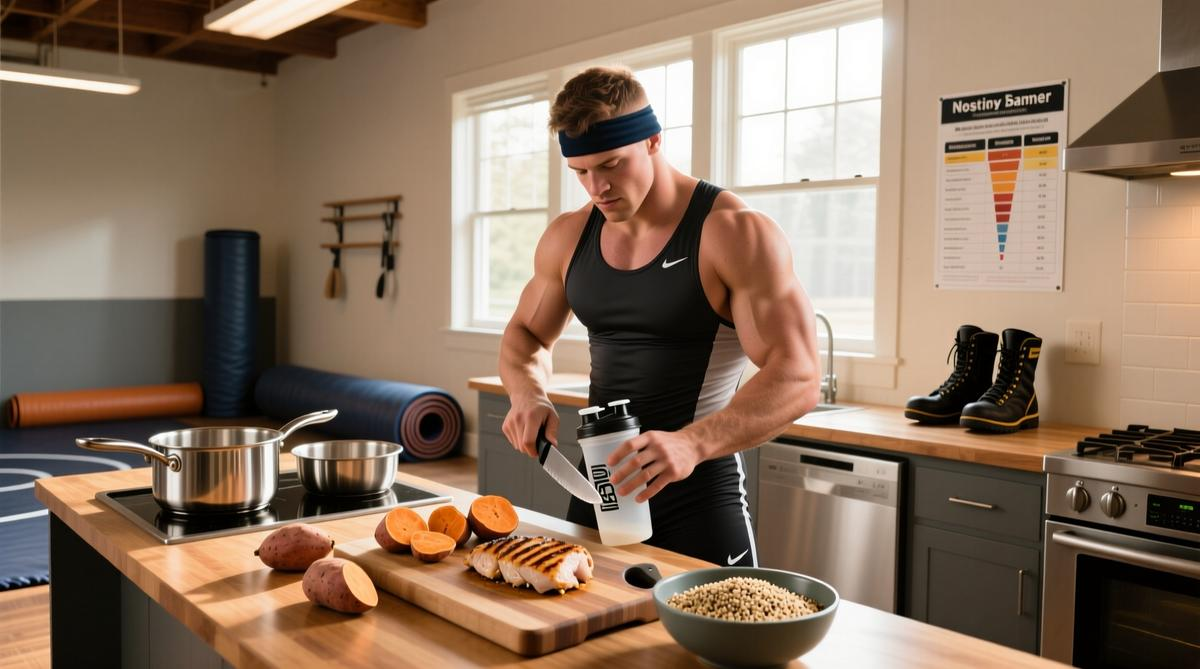
Maintaining muscle is one of the primary objectives during a cutting phase. Resistance training provides an important stimulus for retaining muscle, while adequate dietary protein supports muscle protein synthesis and recovery.
Protein intake can be distributed across meals throughout the day rather than concentrated into one sitting. Athletes can get it from foods such as lean meat, fish, eggs, dairy products, legumes, soy, and other suitable sources, depending on their dietary preferences.
Preserving lean tissue is about more than appearance. Muscle contributes to strength, power, and overall athletic capability, so retaining it is especially important when pursuing fat loss alongside performance goals.
Carbohydrates Still Have a Place During a Cut
Carbohydrates are sometimes dramatically reduced during fat-loss phases because cutting calories is the primary objective. For athletes involved in high-intensity or high-volume training, however, carbohydrates can remain an important source of exercise fuel.
Rather than automatically eliminating them, athletes can adjust carbohydrate intake according to training demands. More demanding sessions may warrant greater carbohydrate availability, while intake can be modified during lighter training or rest periods depending on the overall nutrition plan.
This approach allows the calorie deficit to coexist with the need to train effectively. Ultimately, a successful cut should improve body composition without unnecessarily undermining the quality of the work being performed in the gym, on the track, or on the field.
Where Supplements Fit Into the Strategy
The sports nutrition market includes numerous products promoted to people pursuing body-composition goals. Some athletes may consider products such as fat burner powder during a cutting phase, but supplements should remain secondary to the fundamentals of energy intake, food quality, training, and recovery.
Ingredients and stimulant levels can vary substantially between products, and athletes should carefully review labels before using any supplement. Competitive athletes face an additional consideration because contaminated or inaccurately labeled supplements can create anti-doping risks. Choosing appropriately tested products and seeking guidance from a qualified sports dietitian or other relevant professional can therefore be important.
No supplement can independently create the conditions required for sustainable fat loss while preserving performance. Consider its potential place in the athlete’s overall nutrition and training program.
Recovery Can Determine Whether a Cut Succeeds

A calorie deficit places additional demands on the body, making recovery particularly important. Sleep, hydration, rest periods, and sensible training loads can influence how well an athlete maintains performance as body weight changes.
Insufficient recovery combined with aggressive dieting can create a situation in which training quality progressively deteriorates. Athletes should watch for persistent fatigue, declining performance, mood changes, disrupted sleep, and other signs that their current strategy may need adjustment.
Products such as fat burner powder should never be treated as substitutes for adequate sleep or recovery. Stimulant-containing products can also require additional consideration because excessive or poorly timed stimulant intake may interfere with sleep, potentially working against the athlete’s wider goals.
Performance Should Remain Part of the Goal
A successful cutting phase should not be judged solely by the number on a scale. Body composition, strength, training quality, recovery, energy levels, and sport-specific performance can provide a more complete picture of progress.
The most effective approach is rarely the most extreme. A carefully managed energy deficit, sufficient protein, appropriately timed carbohydrates, consistent resistance training, and adequate recovery can help athletes pursue fat loss without unnecessarily sacrificing performance.
When nutrition is treated as part of the performance strategy rather than simply a method of calorie restriction, athletes are better positioned to emerge from a cutting phase leaner while retaining the physical capabilities they worked hard to develop.