
Serious athletes learn early that not everything sold in a supplement aisle has been through the same level of scrutiny. Third-party testing, batch verification, and transparent labeling separate credible brands from ones riding on marketing alone. That same framework, developed over years of athletes getting burned by underdosed or contaminated products, is directly applicable to botanical products like kratom, which occupies a similarly under-regulated space.
Why Botanical Products Fall Into a Regulatory Gap
Kratom, derived from the leaves of the Mitragyna speciosa tree grown in Southeast Asia, isn’t classified as a controlled substance federally, but it also isn’t regulated as a dietary supplement by the FDA. That combination puts it in a genuine gap: legal to sell, but without the baseline testing and labeling requirements that apply to more conventionally regulated categories. It’s a similar position to where the broader supplement industry sat before third-party certification became standard practice.
What Batch Testing Actually Verifies
Reputable manufacturers test finished product across a few specific dimensions: identity testing to confirm the alkaloid profile matches what’s expected of the plant source, contaminant screening for heavy metals and microbial risks, and potency testing to check for consistency batch to batch. This is functionally identical to what a credible sports nutrition brand does with a protein powder or pre-workout formula, just applied to a different raw material.
The Value of Third-Party Certification
Just as organizations like NSF and Informed Sport provide independent verification for sports supplements, the American Kratom Association’s Good Manufacturing Practices Qualified Vendor program serves a comparable function for kratom manufacturers, auditing participating companies against documented quality and manufacturing standards. It’s not identical in scope, but the underlying logic, an outside body verifying internal claims, is the same.
Reading a Product Page Like a Nutrition Label
When evaluating something like kratom powder, the same instincts that serve athletes well with any supplement apply directly: look for a certificate of analysis, check whether sourcing region is disclosed, and see whether the company can point to third-party certification rather than just describing its own internal processes. A product page heavy on lifestyle photography and light on testing documentation deserves the same skepticism you’d apply to an unverified pre-workout claiming huge numbers with no substantiation.
Physical Product Formats Worth Understanding
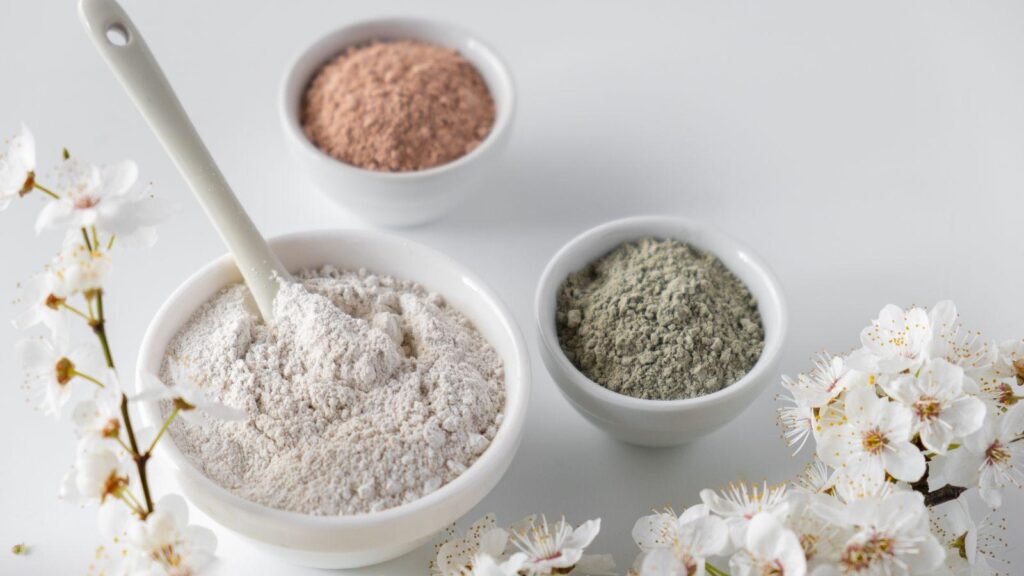
Kratom is available primarily as a fine powder, similar in texture to many other botanical powders athletes may already be familiar with, or in capsule form, which simply contains a pre-measured amount of that same powder for a more portable format. Neither format inherently indicates better quality; that comes down entirely to the testing and sourcing behind the specific batch.
Storage Habits Athletes Already Know
Athletes accustomed to storing protein powders and supplements properly, away from heat, humidity, and direct light, will find the same practices apply here. Botanical powders degrade under the same conditions that degrade most powdered nutritional products, so proper storage is a straightforward extension of habits many athletes already have.
Applying a Skeptical Consumer Mindset Broadly
The overarching lesson translates well beyond kratom specifically: any product category operating without strong baseline government regulation puts more responsibility on the buyer to verify quality independently. Athletes who’ve already built that skepticism muscle around supplements are well positioned to apply it here too.
Why Cross-Contamination Testing Matters in Shared Facilities
One additional testing consideration worth understanding: cross-contamination risk in shared manufacturing facilities. Athletes are already familiar with this concept from supplement manufacturing, where a facility producing multiple product lines can introduce trace contamination between batches if cleaning protocols aren’t rigorous. The same risk applies to any botanical processing facility handling multiple product lines, which is another reason facility-level GMP certification, not just individual batch testing, matters as a quality signal worth checking for.
Checking Certifications Before a Big Event
Athletes competing under a governing body with banned-substance testing already know to verify every supplement against a checked list before a major competition. That same caution should extend to any botanical product being considered around competition timing, not because of any claimed effect, but because unverified products from undocumented sources carry an unknown risk profile that a well-tested, properly labeled product does not. When in doubt, checking with a team’s sports medicine staff before introducing any new product into a routine remains the standard, sensible approach.
A Note on Eligibility
Kratom products are intended for adults 21 and older, and legal status varies by state, so it’s worth checking your local regulations before purchasing, the same way you’d check whether a given supplement ingredient is permitted under your sport’s governing body before using it.