
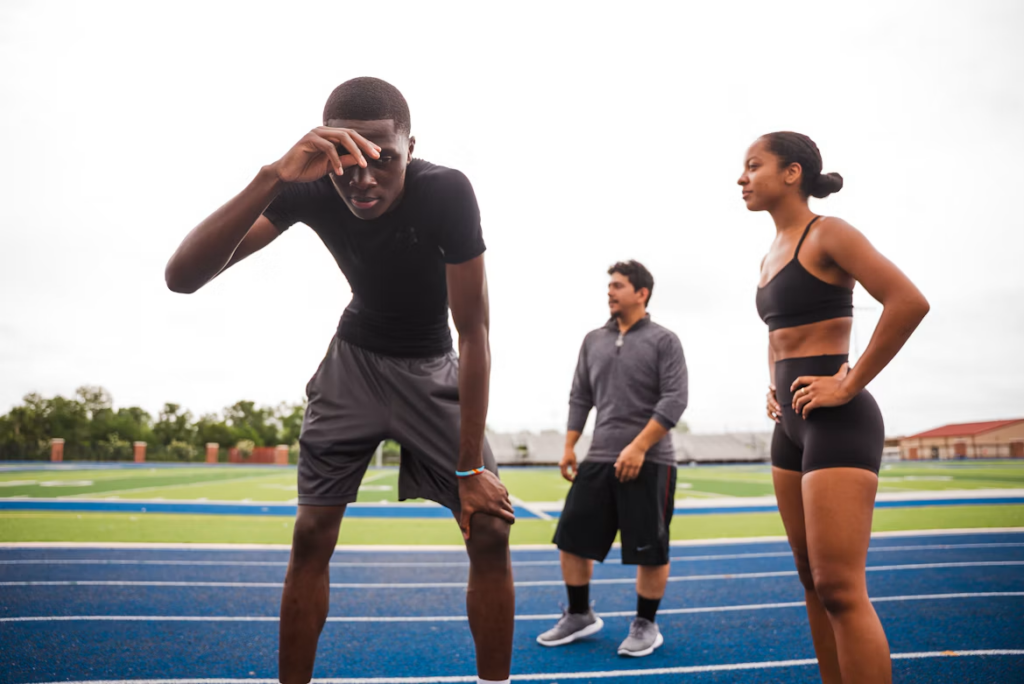
Aging does not mean athletes have to abandon the activities they enjoy or accept a significant decline in physical performance. While changes in muscle strength, joint flexibility, and recovery time are natural parts of aging, maintaining an active lifestyle can help preserve mobility and overall health. For athletes experiencing advanced joint damage that interferes with everyday movement, consulting with a total joint replacement surgeon may help them explore surgical treatment options for severely damaged hip, knee, or shoulder joints. Understanding how to adapt training routines, protect joints, and support recovery allows athletes to remain physically active well into their later years.
Understanding How Aging Affects Athletic Performance
As people age, their bodies gradually experience changes that can influence strength, endurance, and flexibility. Muscle mass may decrease, joints can become less flexible, and recovery from demanding workouts often takes longer than it did during younger years. These changes can make certain athletic activities more challenging, particularly those involving repetitive movements or high-impact exercises.
However, aging does not automatically lead to poor physical performance or limited mobility. Athletes who maintain consistent exercise routines and adjust their training intensity can continue developing strength and endurance. Recognizing physical limitations while maintaining healthy movement patterns is essential for preventing unnecessary strain and supporting long-term athletic participation.
Prioritizing Joint Health and Injury Prevention
Healthy joints play an important role in allowing athletes to move comfortably and perform physical activities efficiently. Years of repetitive movements, previous injuries, and natural cartilage deterioration can contribute to stiffness or discomfort. Paying attention to early warning signs, such as persistent swelling or reduced range of motion, can help athletes address potential problems before they become more disruptive.
Preventive strategies should include proper warm-ups, controlled movements, and adequate recovery between demanding training sessions. Athletes can also benefit from strengthening the muscles surrounding major joints, particularly the hips, knees, and shoulders. Strong supporting muscles help stabilize joints and improve movement efficiency during everyday activities and exercise.
Adjusting Exercise Routines for Long-Term Mobility
Training methods that worked during early adulthood may become less suitable as athletes grow older. High-impact activities, excessive training volume, and insufficient recovery can place additional stress on joints and surrounding tissues. Adjusting exercise routines allows athletes to maintain cardiovascular fitness and muscular strength while reducing unnecessary physical strain.
Low-impact activities such as swimming, cycling, and walking provide effective opportunities to remain active without repeatedly exposing joints to heavy impact forces. Resistance training also remains important because it supports muscle strength, bone health, and physical independence. Combining different forms of exercise helps athletes maintain balanced fitness while avoiding excessive reliance on a single movement pattern.
Maintaining Flexibility, Balance, and Functional Strength
Mobility involves more than the ability to perform demanding athletic movements or complete challenging workouts. Everyday activities such as climbing stairs, bending, reaching, and maintaining balance depend on coordinated muscle and joint function. Athletes who regularly practice flexibility and mobility exercises may find it easier to maintain comfortable movement as their bodies age.
Stretching, controlled mobility drills, and balance exercises can complement traditional strength and endurance training. Functional movements such as squats, step-ups, and supported single-leg exercises help strengthen muscles used during daily activities. These exercises should be adapted to individual abilities, especially when existing injuries or joint conditions affect movement.
Supporting Recovery Through Nutrition and Rest
Recovery becomes increasingly important as athletes age because the body may require additional time to respond to demanding physical activity. Training without sufficient rest can contribute to fatigue, reduced performance, and an increased risk of overuse injuries. Building recovery periods into a weekly exercise schedule helps athletes maintain consistency without placing unnecessary pressure on their bodies.
Proper nutrition also supports muscle maintenance, bone strength, and general physical health. Consuming adequate protein, staying hydrated, and maintaining sufficient calcium and vitamin D intake can contribute to healthy aging. Quality sleep further supports recovery by allowing the body to repair tissues and prepare for future physical activity.
Recognizing When Professional Orthopedic Care Is Necessary
Although exercise modifications and preventive care can help manage many joint concerns, some conditions require professional medical evaluation. Persistent pain, increasing stiffness, or difficulty completing ordinary activities may indicate arthritis or other underlying joint problems. Athletes experiencing these symptoms should avoid repeatedly pushing through discomfort without understanding its cause.
Orthopedic specialists can evaluate joint function and recommend treatments based on the severity of the condition and the individual's activity goals. Options may include physical therapy, medication, activity adjustments, or other nonsurgical approaches before surgery is considered. When severe joint damage continues to limit mobility despite appropriate treatment, joint replacement may be discussed as a potential option.
Conclusion
Maintaining an active lifestyle as an athlete ages requires a thoughtful balance between exercise, recovery, and joint protection. By adapting training routines, strengthening supporting muscles, prioritizing nutrition, and addressing persistent discomfort, athletes can continue enjoying physical activity while supporting long-term mobility. Aging may change how the body responds to exercise, but it does not eliminate the opportunity to remain strong, capable, and physically independent. With consistent healthy habits and appropriate medical guidance when necessary, athletes can continue pursuing their fitness goals throughout different stages of life.